A casual earphone experiment
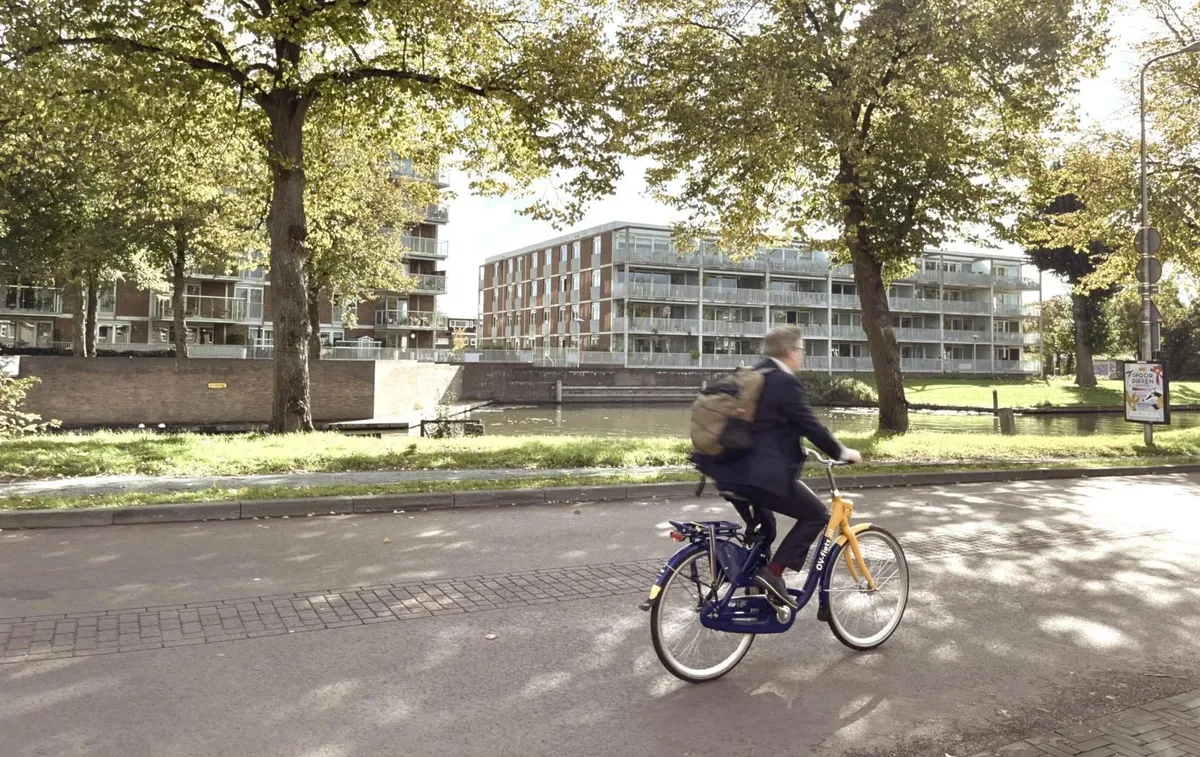
This morning I went for a walk and stopped at the benches along the canal. There are two sets of benches: one facing the water, and one facing the parallel bike road. Today, I opted for the road. As the bikers zoomed by on their way to work, I noticed quite a few with airpods. This inspired an impromptu experiment: I counted how many bikers were wearing headphones and how many weren’t.
Of the approximately 30 bikers with visible ears, there was an even split of those with headphones and those without.1 As the tally rose, both categories neck-and-neck, I noticed a trend in age. If I saw a younger biker (under mid-30s) approaching, I found myself predicting they would have earphones in, and was usually right. And the opposite was generally true for older bikers. This raises two interesting points for me:
The demographics (at least regarding age) of a neighborhood will probably affect the data for anyone repeating this experiment. Which is to say, the headphone rate of a younger neighborhood in the same city might exceed 50%, and vice versa.
Even though I don’t wear headphones while biking, I can see why many people do. Podcasts, music, or phone calls provide entertainment and productivity along one’s otherwise repetitive daily bike commute. So why is this a practice most of the older folks in my sample haven’t adopted?
Short of conducting field interviews, I can venture a guess: habit. Smartphones only became widespread in the late 2000s. If you grew up in the 20th century, decades of daily bike rides to school, errands, and work without headphones would acclimate you to the level of stimulation already present along your bike route.
If this is true, these old habits are operating as a form of friction. The empowering potential of friction is something we consider a lot in internal discussions at Constructive Interference. What role do existing pathways (neural, cultural, infrastructural, etc.) play in filtering out alluring new technologies and attention pulls? What can we stand to learn from those proverbial “old dogs” who don’t learn new tricks?
Stay tuned. We’ll explore these ideas more in future posts.
Text and photo by: Adina
Disclaimer: I didn’t have anywhere to record my findings, as the experiment was not pre-planned. So I kept track of the count in my head, a medium notoriously susceptible to human error. I feel confident about the ratio, but the total might have been a few more or less than 30. I also excluded two bikers with possible hearing aids from my sample.↩